Explore St. Louis top Architect for professional residential and commercial architecture solutions
Explore St. Louis top Architect for professional residential and commercial architecture solutions
Blog Article
Visionary Architect Designs: Revolutionizing Spaces With Vision
Progressive design innovations are reshaping urban landscapes with a emphasis on functionality and sustainability. Architects are integrating smart technologies and eco-friendly materials to produce flexible structures. These designs highlight community engagement, nurturing social interaction through communal zones and regional heritage elements. This progression raises inquiries about the future of urban living and the mission of spatial design in enhancing individual personal flourishing. What bearing do these improvements hold for the collective good?
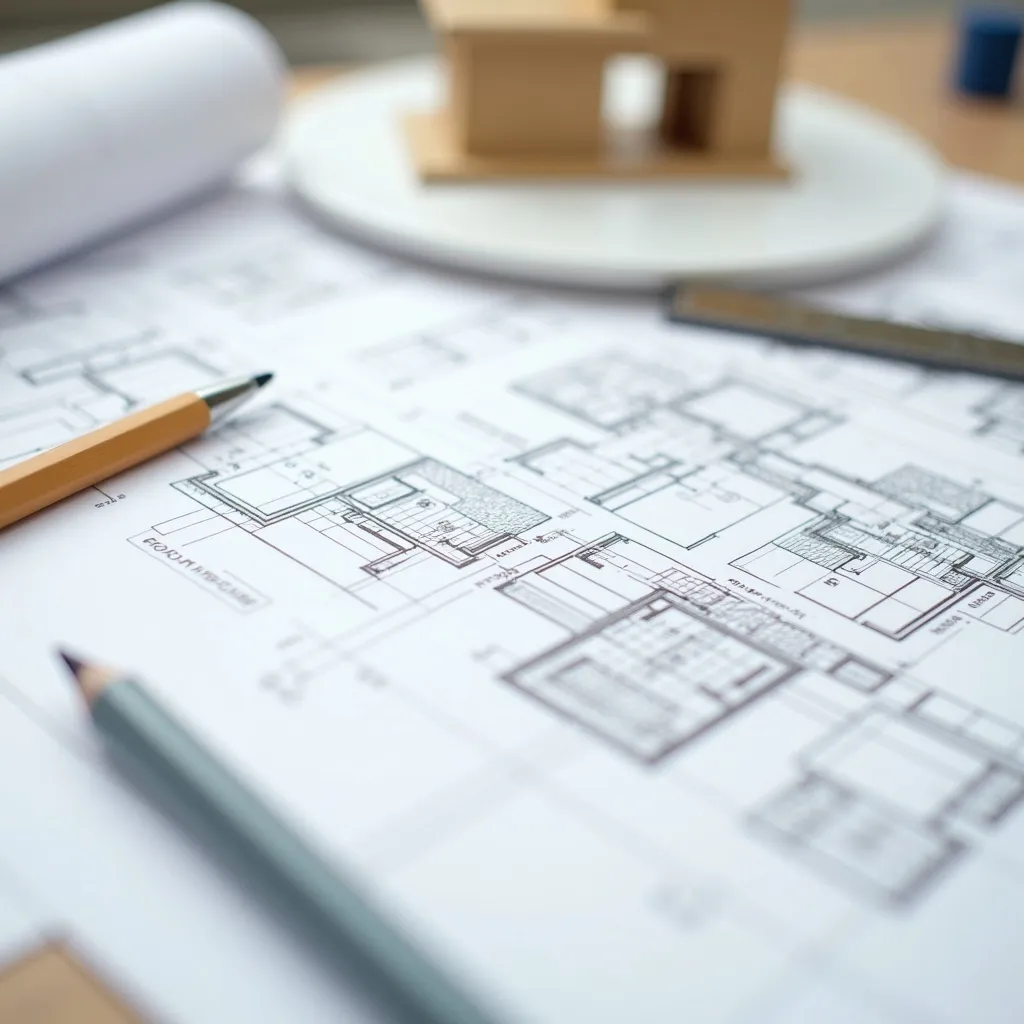
Architects Playing a Key Role to Contemporary Design Innovation
Architects design the built environment, transforming abstract ideas into concrete structures that reflect contemporary needs and values. Their role goes beyond mere aesthetics; they integrate functionality, safety, and environmental responsibility into their designs. By analyzing societal trends and innovations, architects create spaces that foster community engagement and enhance user experience. They collaborate with engineers, urban planners, and clients, ensuring that each project meets specific requirements while adhering to regulatory standards.
In contemporary architecture, architects balance creativity with functionality, often exploring innovative forms and materials that push boundaries. Their work tackles varied obstacles, from urban density to environmental concerns, by developing flexible environments that respond to evolving ways of living. As champions for both clients and the natural world, architects are pivotal in forming the future of city environments, guaranteeing that structures not only serve immediate purposes but also endure as valuable assets for future generations.
Sustainable Materials in Structural Design
Sustainable materials represent an vital function in present-day architectural design, affecting both visual appeal and usefulness. By adopting sustainable choices and using reused materials, architects can substantially lessen environmental impact. Advanced eco-conscious methods additionally boost these initiatives, laying groundwork for a more conscientious building approach.
Environmentally Responsible Material Selections
While conventional construction materials often lead to ecological harm, innovative architects increasingly favor sustainable alternatives that reduce environmental footprint. These substances, such as bamboo, reclaimed wood, and recycled metals, not only lower carbon footprints but also improve building efficiency. Architects are investigating bioplastics and rammed earth, which provide durability alongside environmental responsibility. Organic insulating substances, like sheep's wool and hemp, further boost power efficiency. Such decisions also reflect a commitment to sustainable resource management, decreasing the need for virgin materials. By incorporating local materials, architects strengthen regional economies and lower transportation emissions. This movement toward eco-friendly material choices represents a broader movement within the architectural community, emphasizing the importance of design that harmonizes with the environment.
Gains of Recycled Materials
The usage of recycled resources in structure design delivers significant advantages that complement green building standards. By incorporating materials such as reclaimed wood, recycled metal, and repurposed glass, architects can minimize waste and reduce the demand for virgin resources. This method not only safeguards natural materials but also lowers energy consumption tied to manufacturing new products.
Moreover, integrating recycled resources can strengthen the aesthetic charm of structures, showcasing unique textures and histories that new materials cannot match. Cost-wise, these materials frequently come at a reduced price, facilitating economical construction without diminishing quality. Ultimately, the use of recycled resources builds environmental responsibility while supporting innovative design solutions that connect with sustainable living ideals.
Forward-Thinking Sustainable Systems
As architects give higher priority to environmental impact, advanced green techniques have come to the forefront, highlighting elements that both reduce ecological footprints and enhance design versatility. Biodegradable composites, reclaimed wood, and bamboo lead the way, offering appealing aesthetics while minimizing material waste. These materials can be used in varied uses, from building parts to finishes, allowing for distinctive design elements. Moreover, the integration of green insulation and low-VOC paints fosters healthier indoor environments. The application of recycled metal and glass further shows how sustainability can meld with modern design, enabling striking visual elements without sacrificing environmental care. Overall, these strategies not only reshape construction methods but also set a precedent for future developments in architectural sustainability.
Smart Technology in Daily Spaces
Smart technology is continuously establishing itself as a requirement in typical environments, granting users with optimized simplicity and autonomy. Via unified connection of devices, these systems expedite daily tasks and substantially promote energy efficiency. This progression in design emphasizes a significant emphasis on functionality and sustainability in modern architecture.
Seamless Connection of Devices
Refining ordinary surroundings, innovative architects are steadily incorporating smart technology to forge frictionless combinations of devices. These schemes concentrate on interconnectivity, enabling home systems to communicate without friction. For example, fixtures, climate devices, and protection systems can be managed through a single interface, advancing user convenience. Architects underscore accessible arrangements, confirming that technology works with the aesthetic of the space rather than shadowing it. Voice-activated assistants and smart appliances are tactfully positioned to amplify functionality while sustaining a cohesive design. This incorporation not only heightens user experience but also reimagines the way individuals navigate their environments. As a result, spaces become more adaptive, addressing the dynamic needs of contemporary living while fostering an atmosphere of peace and performance.
Improving Energy Efficiency
Integrating advanced technology into standard environments revolutionizes energy efficiency. Smart systems, such as adaptive thermostats and smart lighting, actively monitor and adjust energy usage, greatly reducing waste. These solutions allow architects to plan structures that respond dynamically to occupant needs, ensuring perfect comfort while reducing energy consumption.
Adding clean energy alternatives, including solar panels, boosts sustainability. Advanced grid technology allow instantaneous energy oversight, letting homeowners to track consumption patterns and modify their behavior. Additionally, eco-friendly devices and supplies contribute to reduced environmental impact.
As professionals implement these systems, they build venues that not only address functional requirements but also promote green practices. The conclusion is a unified balance of visual design and effectiveness, altering how inhabitants interact with their locales.
Why Biophilic Design Matters for Our Spaces?
Although many may underestimate the importance of natural features in design, nature-oriented design holds significant influence in enhancing human health within engineered environments. This model integrates nature into built spaces, fostering a feeling of kinship to the outdoor environment. By incorporating elements such as natural light, plant life, and biotic materials, biophilic design promotes mental health and eases stress. Research suggests that exposure with nature can improve focus, creativity, and comprehensive productivity.
Additionally, nature-integrated architecture supports a more eco-conscious approach to architecture, as it emphasizes balance between constructed spaces and natural ecosystems. This design philosophy not only enhances visual appeal but also supports ecological equilibrium by incorporating environmentally responsible resources and energy-efficient practices. In the end, implementing biophilic design reshapes spaces into healthier, more appealing environments, benefiting residents and the planet alike. As urbanization continues to expand, the importance of biophilic principles in architecture becomes increasingly vital.
Examination of Innovative Architectural Projects
As city environments transform, innovative architectural designs appear, highlighting the possibilities of sustainable creativity. One notable case study is the Bosco Verticale in Milan, Italy, which features two residential towers adorned with over 9,000 trees and 20,000 plants. This green tower structure not only enhances biodiversity but also improves air quality and lowers energy usage.
Another instance is the Cactus Tower in Copenhagen, created to mimic a cactus with its jutting balconies that promote communal interaction. This design fosters social connectivity while offering unique living spaces.
In Singapore, the Jewel Changi Airport showcases a breathtaking indoor waterfall and lush greenery, blending nature with technology. This versatile area enhances passenger experience and serves as a recreational area for the public.
These case studies showcase how innovative architectural designs can unite operational performance with ecological awareness, converting urban spaces into energetic, responsible ecosystems.
How Community-Oriented Design Improves Urban Living?
Community-focused planning substantially improves urban living by fostering social interaction and inclusivity. This approach prioritizes the needs of communities, encouraging the creation of shared spaces such as parks, plazas, and community centers. These environments serve as essential hubs where residents can gather, collaborate, and engage in recreational activities, thereby strengthening social bonds.
Furthermore, community-focused layouts frequently include local cultural elements, reflecting the identity and values of the area. This not only builds a feeling of community but also promotes satisfaction among residents. Features such complete article as pedestrian-friendly streets and diverse-purpose projects further improve connectivity, making urban areas easier to traverse and reach.
Additionally, this architectural approach often tackles issues of affordability and sustainability, guaranteeing that various communities can flourish in city environments. By integrating these elements, community-centric architecture plays a vital part in creating vibrant, resilient urban environments that improve the standard of living for all residents.
Emerging Forecasts in Building Design
Emerging trends in building design are increasingly influenced by tech innovations and environmental considerations. The incorporation of intelligent systems is revolutionizing architectural layouts, allowing for improved energy efficiency and better user experiences. Architects are now leveraging AI and ML technologies to optimize layouts, predict environmental impacts, and streamline construction processes.
Sustainability persists as a main concern, with architects prioritizing eco-friendly materials and sustainable energy alternatives. Biophilic design is becoming prevalent, as experts incorporate organic features to foster health and wellness and connectivity to nature. Additionally, prefab and modular construction approaches are rising, supporting faster build times and affordability.
Additionally, building renovation is emerging as a popular approach, converting old structures into practical spaces while protecting cultural heritage. As cities progress, architects are promoting inclusive designs that address the needs of diverse populations, ensuring that urban environments are welcoming and inviting for all. These trends reveal a future where architecture combines technology, sustainability, and community.
Popular Inquiries Asked Frequently
What Approaches Do Architects Use to Merge Creativity and Utility in Their Designs?
Architects blend imagination and functionality by integrating aesthetic vision with functional needs. They take into account user needs, environmental factors, and structural integrity, making sure designs are both visually appealing and usable, fostering harmony between form and purpose.
What Prevalent Struggles Challenge Visionary Architects In The Present Time?
Innovative designers often face challenges such as budget constraints, regulatory compliance, eco-friendly material procurement, and client expectations. Balancing artistic vision with practical requirements and ecological considerations further challenges their creative processes in today's evolving architectural landscape.
What Strategies Enable Clients to Successfully Communicate Their Goals to Architecture Firms?
Clients can effectively communicate their vision to architects by providing clear objectives, visual references, and elaborate particulars. Engaging in unrestricted dialogue warrants coordination, fostering a collective workspace that boosts understanding and supports the design process.
In What Ways Does Cultural Context Direct Architectural Design Techniques?
Cultural context substantially impacts architectural design by forming aesthetics, functionality, and symbolism. It informs materials, techniques, and spatial organization, ensuring that structures resonate with local traditions, values, and environmental conditions, ultimately improving community identity and relevance.
What strategies do designers use to remain informed about emerging styles and innovations?
Architects maintain awareness with design trends and technologies through continuous education, attending workshops, networking at industry events, accessing trade magazines, and engaging with online platforms that showcase innovative ideas and emerging practices in architecture.
Report this page